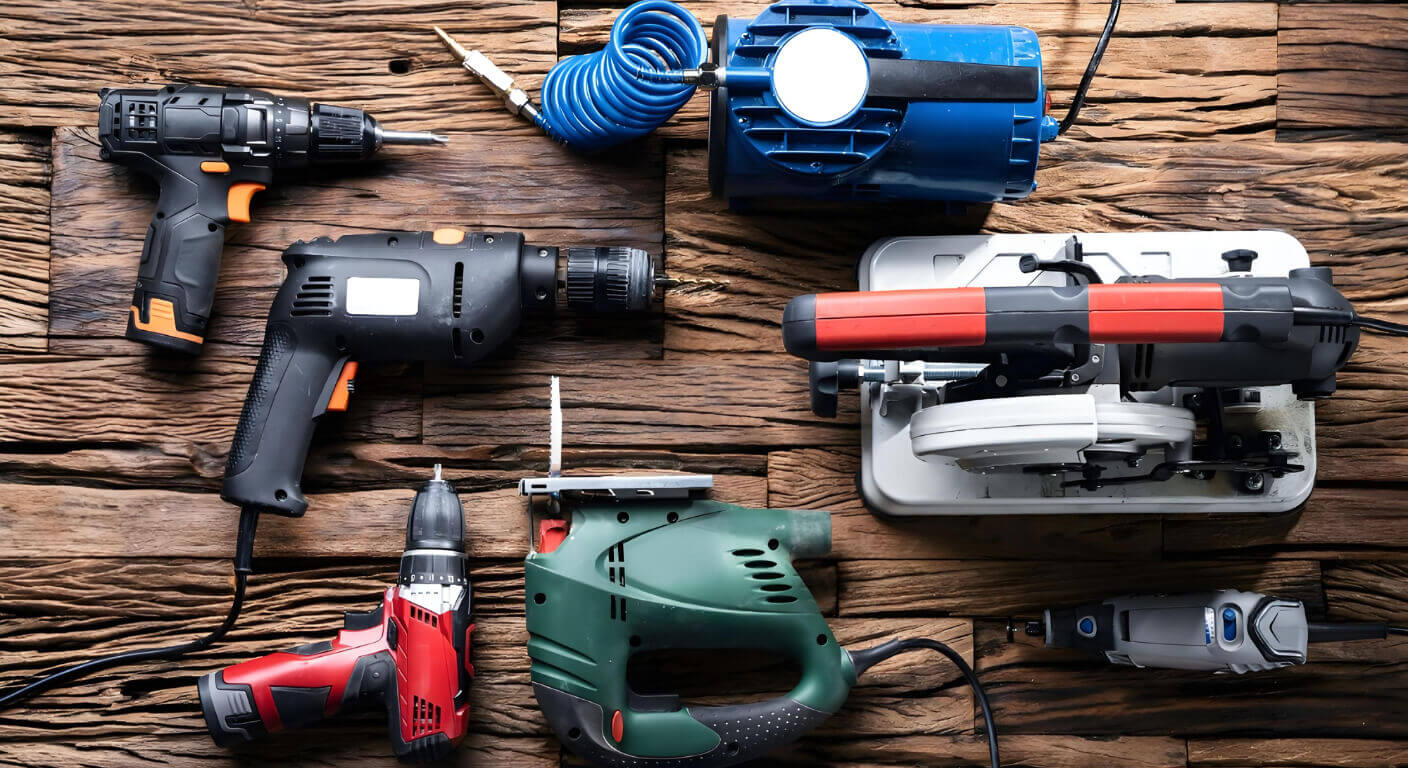
Cordless power tools have transformed the way professionals and DIY users work. Their portability, flexibility, and ease of use make them essential for modern job sites and home projects alike. At the heart of every cordless tool is its battery—an essential component that directly impacts power output, runtime, and overall performance.
Understanding power tool batteries helps you get the most out of your tools. This guide explains the basics of power tool batteries, explores common battery types, shows you how to choose the right option, and shares practical tips for maintenance and safe use. By the end, you’ll be equipped to select a power tool battery that matches your needs and delivers reliable performance over time.
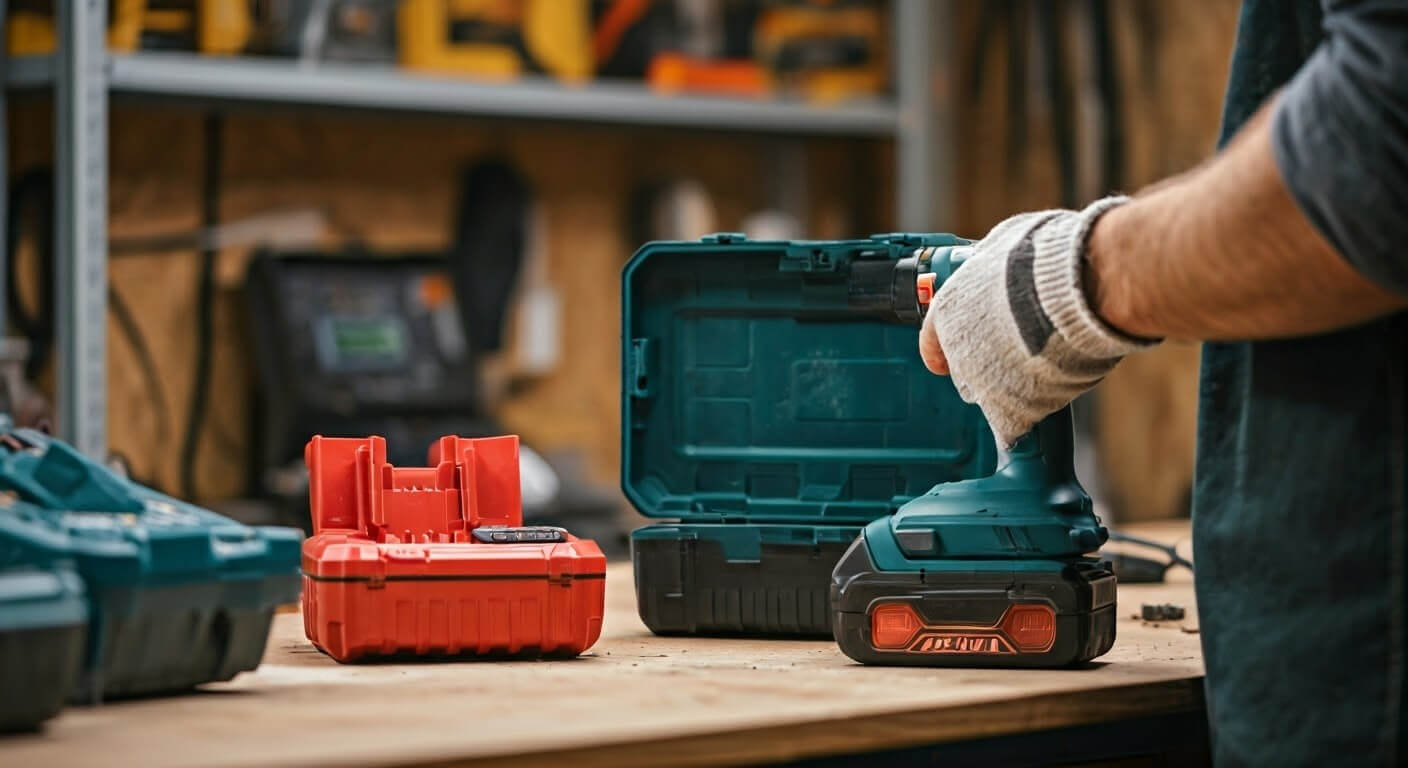
Power tools are widely used by professionals and DIY enthusiasts to handle tasks such as drilling, cutting, grinding, and sanding more efficiently. To operate effectively, these tools rely on a dependable power source—this is where power tool batteries come in.
A power tool battery is a rechargeable energy source designed specifically for cordless tools, including drills, impact drivers, saws, grinders, and more. Unlike corded tools, battery-powered tools do not require a constant electrical connection, allowing greater freedom of movement and improved convenience in tight or remote workspaces.
High-quality power tool batteries are lightweight, easy to install, and capable of delivering stable energy throughout use. Choosing the right battery ensures longer working time, fewer interruptions, and better tool efficiency. In contrast, low-quality or incompatible batteries may lead to reduced performance, poor fit, safety risks, or even damage to your tool. Selecting the correct battery helps both the tool and battery last longer while maintaining safe operation.
Power tool batteries are available in several chemical types, each offering different advantages depending on usage requirements.
NiCd batteries are among the earliest rechargeable batteries used in power tools. They are known for their durability and relatively low cost. However, they suffer from the memory effect and offer lower energy density compared to newer battery technologies. As a result, their popularity has declined in recent years.
NiMH batteries are an improved alternative to NiCd batteries. They provide better capacity and reduced memory effect while remaining affordable. Despite these improvements, their lifespan and performance still fall short of lithium-ion batteries, especially for demanding applications.
Lithium-ion batteries are now the most widely used power tool batteries. They feature high energy density, lighter weight, longer lifespan, and no memory effect. Li-ion batteries can be recharged at any time without affecting performance, making them ideal for both professional and heavy-duty applications. Although they have a higher initial cost, they offer excellent long-term value.
| Feature | NiCd | NiMH | Li-Ion |
|---|---|---|---|
| Weight | Heavy | Medium | Light |
| Energy Density | Low | Medium | High |
| Memory Effect | Yes | Low | No |
| Self-Discharge | Medium | High | Low |
| Lifespan | Long | Medium | Longest |
| Cost | Low | Medium | High |
| Maintenance | Frequent full discharge | Occasional full discharge | Minimal |
| Eco-Friendly | No | Yes | Yes |
| Recommended Use | Light to medium tasks | Light-duty tasks | Light to heavy-duty tasks |
Not all batteries are compatible with every power tool. Always check your tool manual or manufacturer specifications before purchasing a replacement battery. Using an incompatible battery can reduce efficiency, shorten tool lifespan, or cause damage.
Key factors to consider include:
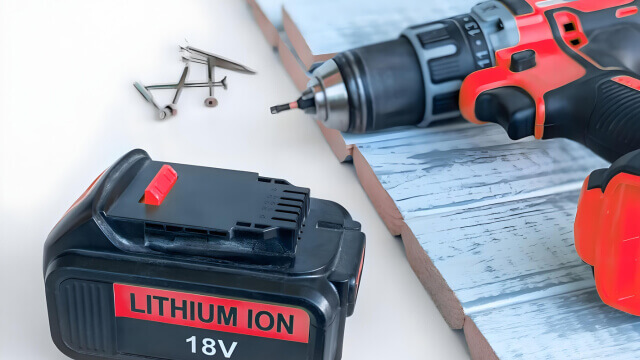
For frequent or demanding work, lithium-ion batteries with higher capacity are recommended. For occasional or light use, standard-capacity batteries are usually sufficient.
If you work in harsh environments, choose batteries with reinforced housings and built-in protection against overheating, overcharging, and short circuits.
Fast-charging batteries reduce downtime and improve productivity.
While lithium-ion batteries cost more upfront, they often deliver better long-term value due to longer lifespan and improved performance.
Always choose reliable manufacturers. Trusted suppliers such as powertoolbatteryshop.com provide high-quality custom power tool batteries designed for safety, performance, and longevity.
Tool won’t start
Check battery installation and charge level. Try another battery if necessary.
Reduced runtime
Clean terminals and consider battery replacement if aging.
Battery won’t charge
Inspect the charger and allow the battery to cool before recharging.
Overheating
Stop using immediately and allow cooling. Persistent overheating may indicate battery failure.
Swelling or leakage
Discontinue use and recycle safely.
Understanding power tool batteries allows you to work more efficiently and safely. Choosing the right battery type, voltage, and capacity helps maximize tool performance and extend equipment lifespan. With proper care and maintenance, your batteries will deliver reliable power for years to come.
For tailored battery solutions that meet your specific power tool requirements, explore powertoolbatteryshop.com Custom Battery Solutions for dependable performance and long-term value.
